Buy tresor-juwelen.be ?
We are moving the project
tresor-juwelen.be .
Are you interested in purchasing the domain
tresor-juwelen.be ?
domain@kv-gmbh.de · 0541-91531010
Buy tresor-juwelen.be ?
Which dressage is harder, the E-dressage or the A-dressage?
The A-dressage is generally considered harder than the E-dressage. This is because the A-dressage requires more advanced movements and skills from both the horse and rider, such as flying changes, half-passes, and pirouettes. The E-dressage, on the other hand, is more focused on basic movements and transitions, making it more suitable for beginners or less experienced riders. Overall, the A-dressage demands a higher level of precision, balance, and collection compared to the E-dressage. **
Which dressage is more difficult, the E dressage or the A dressage?
The E dressage is generally considered more difficult than the A dressage. The E dressage requires more advanced movements and skills from both the horse and rider, such as flying lead changes, half-pass, and extended gaits. The A dressage, on the other hand, focuses on basic movements and is often used for beginner or lower-level riders to build a foundation of skills. **

Similar search terms for A-dressage
Top-Angebote
Products related to A-dressage:
-
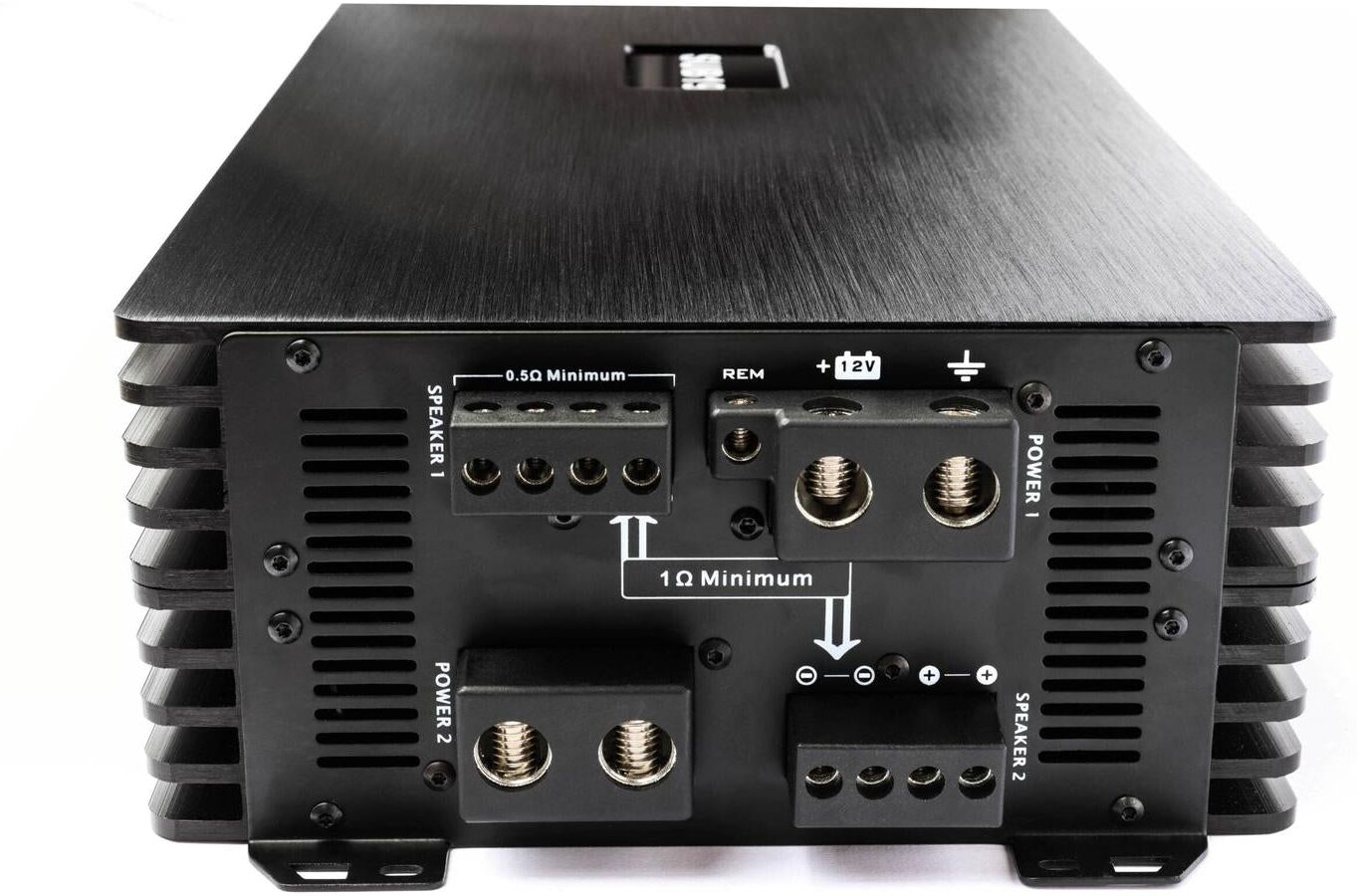
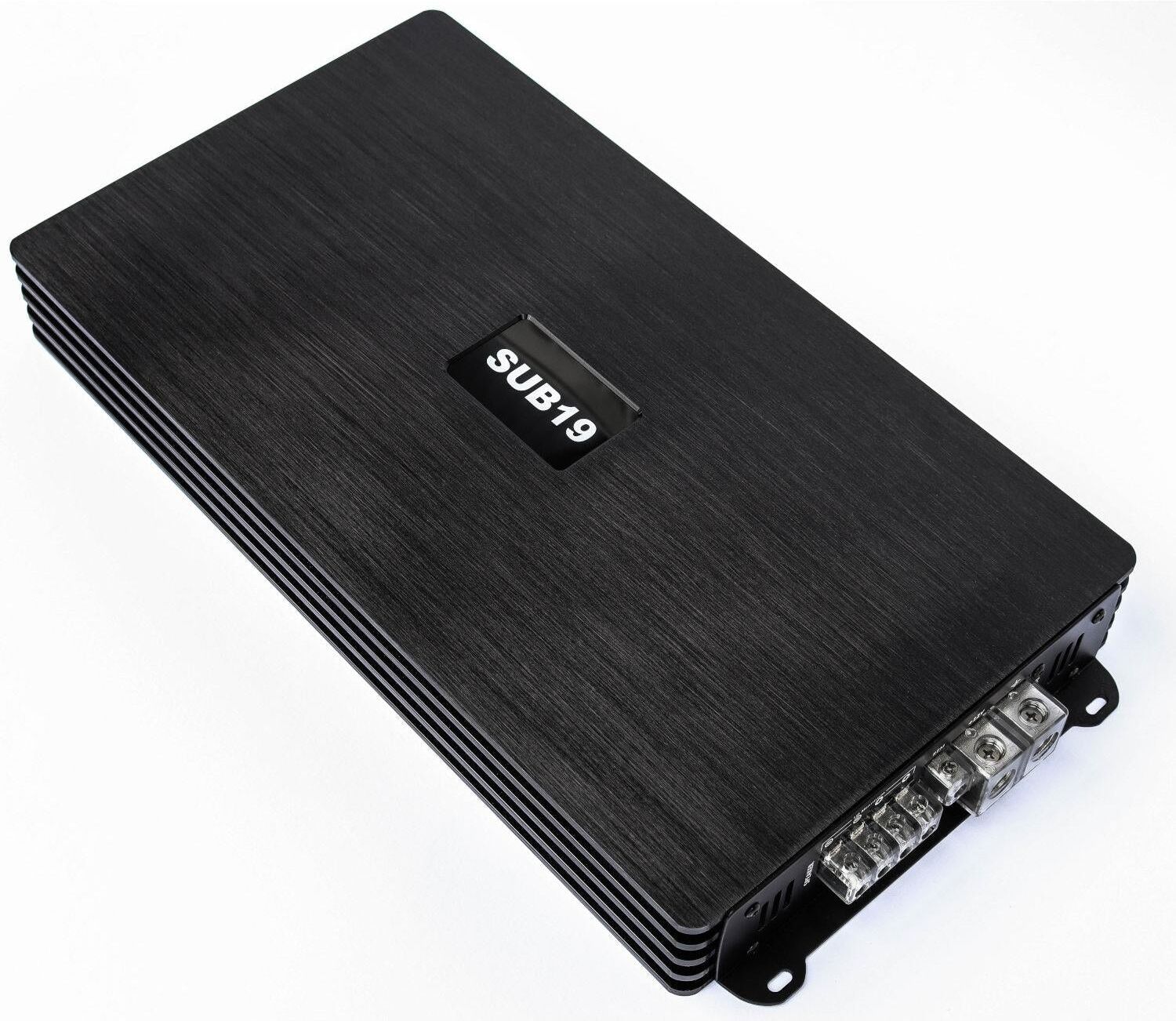
SUB19 SN A 0.8The SN A 0.8 from SUB19 is a 1-Channel Class-D Amplifier with a minimum impedance of 1 Ohm. The housing is made of solid, black brushed aluminum and features metal terminals as well as metal adjustment screws. The maximum power is 870 W RMS at 1 Ohm and 14.4 V. The equipment includes a continuously adjustable bass boost in the range of 30 Hz to 80 Hz with an amplification of up to 12 dB. The dimensions of the device are 228 mm x 53 mm x 280 mm. Features 1-Channel Amplifier Housing made of solid, black brushed aluminum Terminals and adjustment screws made of metal Power RMS 1 Ohm: 870 W (5% THD+N, 14.4 V) Power RMS 1 Ohm: 800 W (1% THD+N, 14.4 V) Power RMS 2 Ohm: 600 W (5% THD+N, 14.4 V) Power RMS 2 Ohm: 550 W (1% THD+N, 14.4 V) Power RMS 4 Ohm: 360 W (5% THD+N, 14.4 V) Power RMS 4 Ohm: 320 W (1% THD+N, 14.4 V) Width: 228 mm Height: 53 mm Length: 280 mm Technical Specifications Frequency response: 18 Hz – 175 Hz (-1 dB) Frequency response: 13 Hz – 225 Hz (-3 dB) Low-pass filter: 35 Hz – 225 Hz (24 dB/Octave) High-pass filter: 14 Hz – 60 Hz (24 dB/Octave) Bass boost: 30 Hz – 80 Hz (0 dB to 12 dB gain) Efficiency: 88 % (4 Ohm at THD+N = 1%) Input sensitivity: 0.2 V – 5 V Signal-to-noise ratio: greater than 75 dB THD+N: 0.17 % at 98 W at 4 Ohm Operating voltage: 8.6 V – 16.2 V162,18 €*Shipping: 0,00 €Secure redirect to the provider
-
SUB19 SN A 1.8The SN A 1.8 from SUB19 is a 1-Channel Amplifier with a minimum impedance of 1 Ohm. The device is housed in a brushed black aluminum case and has dimensions of 228 mm x 53 mm x 393 mm. The RMS power reaches up to 1800 Watts at 1 Ohm with 1 percent THD+N and 14.4 Volts. Technical features include a continuously adjustable bass boost between 30 Hz and 80 Hz as well as an adjustable quality factor. A switchable clip limiter and a clipping indicator are integrated into the system. The frequency response covers the range from 18 Hz to 175 Hz. Features 1-Channel Amplifier Brushed black aluminum case Power: 2000 Watts RMS at 1 Ohm (5 percent THD+N, 14.4 V) Power: 1800 Watts RMS at 1 Ohm (1 percent THD+N, 14.4 V) Power: 1350 Watts RMS at 2 Ohm (5 percent THD+N, 14.4 V) Power: 1160 Watts RMS at 2 Ohm (1 percent THD+N, 14.4 V) Power: 780 Watts RMS at 4 Ohm (5 percent THD+N, 14.4 V) Power: 660 Watts RMS at 4 Ohm (1 percent THD+N, 14.4 V) Dimensions: 228 mm x 53 mm x 393 mm Clipping indicator and switchable clip limiter Continuously adjustable level and mid-frequency settings Technical Specifications Frequency response: 18 Hz – 175 Hz (-1 dB) Low-pass filter: 35 Hz – 225 Hz (24 dB/Octave) High-pass filter: 14 Hz – 60 Hz (24 dB/Octave) Bass boost: 30 Hz – 80 Hz (0 dB to 12 dB gain) Efficiency at 4 Ohm: 89.6 percent (THD+N = 1 percent) Input sensitivity: 0.2 V – 5 V Signal-to-noise ratio: greater than 75 dB THD+N: 0.165 percent at 375 W at 4 Ohm Operating voltage: 8.6 V – 16.2 V361,49 €*Shipping: 0,00 €Secure redirect to the provider
-
TAPE A L'OEIL CasquetteDétails produit • Imprimé floral • Broderie sur le devant • Patte de réglage à l'arrière Composition et Entretien • 100% coton • Pour l'entretien, merci de vous référer aux indications figurant sur l'étiquette du produit6,99 €*Shipping: 3,99 €Secure redirect to the provider



-
Which dressage is more difficult, the E-dressage or the A-dressage?
The A-dressage is generally considered more difficult than the E-dressage. This is because the A-dressage requires more advanced movements and higher levels of precision and skill from both the horse and rider. The E-dressage, on the other hand, is typically more basic and suitable for beginners or less experienced riders. **
-
Would you as men wear rings, bracelets, and necklaces?
As an AI, I do not have personal preferences or the ability to wear jewelry. However, whether or not a man chooses to wear rings, bracelets, and necklaces is a personal choice. Some men enjoy accessorizing with jewelry as a form of self-expression, while others may prefer a more minimalist style. Ultimately, it is important for individuals to wear what makes them feel comfortable and confident. **
-
Is it a dressage competition or a dressage rider competition?
A dressage competition is primarily focused on evaluating the performance of the horse and its ability to execute precise movements and transitions. While the rider's skill and communication with the horse are important, the emphasis is on the horse's performance. Therefore, it is more accurate to say that it is a dressage competition rather than a dressage rider competition. The rider's role is to effectively communicate with the horse and showcase its abilities, but ultimately, the competition is about the horse's performance in the discipline of dressage. **
-
Which dressage level is more difficult, the E-level dressage or the A-level dressage?
The A-level dressage is more difficult than the E-level dressage. At the A-level, horses and riders are expected to perform more advanced movements and transitions with greater precision, balance, and collection. The A-level tests also require a higher degree of suppleness, engagement, and obedience from the horse, making it more challenging for both horse and rider compared to the E-level dressage. **


What is the difference between a dressage rider competition and a dressage competition?
A dressage rider competition typically refers to an event where riders compete against each other in various dressage tests, showcasing their skills and abilities. On the other hand, a dressage competition involves both the rider and the horse performing a series of predetermined movements and exercises to demonstrate their training and partnership. In a dressage rider competition, the focus is more on the rider's abilities, while in a dressage competition, the emphasis is on the overall performance of the horse and rider as a team. **
Can a dressage horse jump?
While dressage horses are trained for precision and grace in movements such as trotting, cantering, and pirouettes, they are not typically trained to jump. However, some dressage horses may have the ability to jump, especially if they have been cross-trained in other disciplines such as show jumping or eventing. It ultimately depends on the individual horse's natural abilities and training. **
Top-Angebote
Products related to A-dressage:
-
vidaXL Lettres d'arène de dressage 12 pcs acierAjoutez de l'élégance à n'importe quelle arène avec ces lettres d'arène de dressage. Matériau durable : le marqueur de dressage est fabriqué en acier, ce qui le rend solide et résistant aux intempéries. Facile à transporter et à ranger : la construction légère rend la lettre de dressage facile à transporter. Facile à installer : chaque pièce est livrée avec 4 trous de vis, ce qui la rend très facile à installer et rapide à monter ou à démonter. Esthétique pratique : la taille des lettres permet au cavalier d'avoir une vue optimale et de diriger son cheval en douceur, ce qui améliore la communication et les performances globales. Les couleurs des lettres de dressage en noir et blanc offrent sophistication et élégance, ce qui permet d'obtenir un aspect traditionnel et propre. Bon à savoir : Les vis de montage ne sont pas incluses.63,39 €*Shipping: 0,00 €Secure redirect to the provider
-
SUB19 SN A 6.5The SN A 6.5 from SUB19 is a 1-Channel Class-D Amplifier with a minimum impedance of 1 Ohm. The RMS power reaches up to 7500 Watts at 1 Ohm considering 5 percent THD+N at 14.4 Volts. The housing is made of a solid aluminum extrusion with dimensions of 228 mm width, 104 mm height, and 502 mm length. The frequency range extends from 13 Hz to 225 Hz with a drop of 3 dB. Features include a low-pass filter from 35 Hz to 225 Hz and a high-pass filter from 14 Hz to 60 Hz, each with a slope of 24 dB per octave. An adjustable bass boost between 30 Hz and 80 Hz allows for a gain of 0 dB to 12 dB with an adjustable quality factor. The operating voltage ranges from 8.6 Volts to 16.2 Volts. Features 1-Channel Amplifier Class-D Technology Solid aluminum extrusion Width: 228 mm Height: 104 mm Length: 502 mm Low-pass filter: 35 Hz – 225 Hz (24 dB/octave) High-pass filter: 14 Hz – 60 Hz (24 dB/octave) Bass boost: 30 Hz – 80 Hz (0 dB to 12 dB) Adjustable quality factor for bass boost Technical Specifications Power: 7500 W RMS at 1 Ohm (5% THD+N, 14.4 V) Power: 7000 W RMS at 1 Ohm (2% THD+N, 14.4 V) Power: 4200 W RMS at 2 Ohm (5% THD+N, 14.4 V) Power: 3800 W RMS at 2 Ohm (2% THD+N, 14.4 V) Power: 2850 W RMS at 4 Ohm (5% THD+N, 14.4 V) Power: 2620 W RMS at 4 Ohm (2% THD+N, 14.4 V) Frequency response: 18 Hz – 175 Hz (-1 dB) Frequency response: 13 Hz – 225 Hz (-3 dB) Efficiency: 88 % at 4 Ohm (at THD+N = 1%) Input sensitivity: 0.2 V – 5 V Signal-to-noise ratio: > 75 dB THD+N: 0.48 % (at 250 W at 4 Ohm) Operating voltage: 8.6 V – 16.2 V1312,75 €*Shipping: 0,00 €Secure redirect to the provider
-
SUB19 SN A 0.8The SN A 0.8 from SUB19 is a 1-Channel Class-D Amplifier with a minimum impedance of 1 Ohm. The housing is made of solid, black brushed aluminum and features metal terminals as well as metal adjustment screws. The maximum power is 870 W RMS at 1 Ohm and 14.4 V. The equipment includes a continuously adjustable bass boost in the range of 30 Hz to 80 Hz with an amplification of up to 12 dB. The dimensions of the device are 228 mm x 53 mm x 280 mm. Features 1-Channel Amplifier Housing made of solid, black brushed aluminum Terminals and adjustment screws made of metal Power RMS 1 Ohm: 870 W (5% THD+N, 14.4 V) Power RMS 1 Ohm: 800 W (1% THD+N, 14.4 V) Power RMS 2 Ohm: 600 W (5% THD+N, 14.4 V) Power RMS 2 Ohm: 550 W (1% THD+N, 14.4 V) Power RMS 4 Ohm: 360 W (5% THD+N, 14.4 V) Power RMS 4 Ohm: 320 W (1% THD+N, 14.4 V) Width: 228 mm Height: 53 mm Length: 280 mm Technical Specifications Frequency response: 18 Hz – 175 Hz (-1 dB) Frequency response: 13 Hz – 225 Hz (-3 dB) Low-pass filter: 35 Hz – 225 Hz (24 dB/Octave) High-pass filter: 14 Hz – 60 Hz (24 dB/Octave) Bass boost: 30 Hz – 80 Hz (0 dB to 12 dB gain) Efficiency: 88 % (4 Ohm at THD+N = 1%) Input sensitivity: 0.2 V – 5 V Signal-to-noise ratio: greater than 75 dB THD+N: 0.17 % at 98 W at 4 Ohm Operating voltage: 8.6 V – 16.2 V162,18 €*Shipping: 0,00 €Secure redirect to the provider
-
SUB19 SN A 1.8The SN A 1.8 from SUB19 is a 1-Channel Amplifier with a minimum impedance of 1 Ohm. The device is housed in a brushed black aluminum case and has dimensions of 228 mm x 53 mm x 393 mm. The RMS power reaches up to 1800 Watts at 1 Ohm with 1 percent THD+N and 14.4 Volts. Technical features include a continuously adjustable bass boost between 30 Hz and 80 Hz as well as an adjustable quality factor. A switchable clip limiter and a clipping indicator are integrated into the system. The frequency response covers the range from 18 Hz to 175 Hz. Features 1-Channel Amplifier Brushed black aluminum case Power: 2000 Watts RMS at 1 Ohm (5 percent THD+N, 14.4 V) Power: 1800 Watts RMS at 1 Ohm (1 percent THD+N, 14.4 V) Power: 1350 Watts RMS at 2 Ohm (5 percent THD+N, 14.4 V) Power: 1160 Watts RMS at 2 Ohm (1 percent THD+N, 14.4 V) Power: 780 Watts RMS at 4 Ohm (5 percent THD+N, 14.4 V) Power: 660 Watts RMS at 4 Ohm (1 percent THD+N, 14.4 V) Dimensions: 228 mm x 53 mm x 393 mm Clipping indicator and switchable clip limiter Continuously adjustable level and mid-frequency settings Technical Specifications Frequency response: 18 Hz – 175 Hz (-1 dB) Low-pass filter: 35 Hz – 225 Hz (24 dB/Octave) High-pass filter: 14 Hz – 60 Hz (24 dB/Octave) Bass boost: 30 Hz – 80 Hz (0 dB to 12 dB gain) Efficiency at 4 Ohm: 89.6 percent (THD+N = 1 percent) Input sensitivity: 0.2 V – 5 V Signal-to-noise ratio: greater than 75 dB THD+N: 0.165 percent at 375 W at 4 Ohm Operating voltage: 8.6 V – 16.2 V361,49 €*Shipping: 0,00 €Secure redirect to the provider
-
Which dressage is harder, the E-dressage or the A-dressage?
The A-dressage is generally considered harder than the E-dressage. This is because the A-dressage requires more advanced movements and skills from both the horse and rider, such as flying changes, half-passes, and pirouettes. The E-dressage, on the other hand, is more focused on basic movements and transitions, making it more suitable for beginners or less experienced riders. Overall, the A-dressage demands a higher level of precision, balance, and collection compared to the E-dressage. **
-
Which dressage is more difficult, the E dressage or the A dressage?
The E dressage is generally considered more difficult than the A dressage. The E dressage requires more advanced movements and skills from both the horse and rider, such as flying lead changes, half-pass, and extended gaits. The A dressage, on the other hand, focuses on basic movements and is often used for beginner or lower-level riders to build a foundation of skills. **
-
Which dressage is more difficult, the E-dressage or the A-dressage?
The A-dressage is generally considered more difficult than the E-dressage. This is because the A-dressage requires more advanced movements and higher levels of precision and skill from both the horse and rider. The E-dressage, on the other hand, is typically more basic and suitable for beginners or less experienced riders. **
-
Would you as men wear rings, bracelets, and necklaces?
As an AI, I do not have personal preferences or the ability to wear jewelry. However, whether or not a man chooses to wear rings, bracelets, and necklaces is a personal choice. Some men enjoy accessorizing with jewelry as a form of self-expression, while others may prefer a more minimalist style. Ultimately, it is important for individuals to wear what makes them feel comfortable and confident. **
Similar search terms for A-dressage
-
TAPE A L'OEIL CasquetteDétails produit • Imprimé floral • Broderie sur le devant • Patte de réglage à l'arrière Composition et Entretien • 100% coton • Pour l'entretien, merci de vous référer aux indications figurant sur l'étiquette du produit6,99 €*Shipping: 3,99 €Secure redirect to the provider
-
Is it a dressage competition or a dressage rider competition?
A dressage competition is primarily focused on evaluating the performance of the horse and its ability to execute precise movements and transitions. While the rider's skill and communication with the horse are important, the emphasis is on the horse's performance. Therefore, it is more accurate to say that it is a dressage competition rather than a dressage rider competition. The rider's role is to effectively communicate with the horse and showcase its abilities, but ultimately, the competition is about the horse's performance in the discipline of dressage. **
-
Which dressage level is more difficult, the E-level dressage or the A-level dressage?
The A-level dressage is more difficult than the E-level dressage. At the A-level, horses and riders are expected to perform more advanced movements and transitions with greater precision, balance, and collection. The A-level tests also require a higher degree of suppleness, engagement, and obedience from the horse, making it more challenging for both horse and rider compared to the E-level dressage. **
-
What is the difference between a dressage rider competition and a dressage competition?
A dressage rider competition typically refers to an event where riders compete against each other in various dressage tests, showcasing their skills and abilities. On the other hand, a dressage competition involves both the rider and the horse performing a series of predetermined movements and exercises to demonstrate their training and partnership. In a dressage rider competition, the focus is more on the rider's abilities, while in a dressage competition, the emphasis is on the overall performance of the horse and rider as a team. **
-
Can a dressage horse jump?
While dressage horses are trained for precision and grace in movements such as trotting, cantering, and pirouettes, they are not typically trained to jump. However, some dressage horses may have the ability to jump, especially if they have been cross-trained in other disciplines such as show jumping or eventing. It ultimately depends on the individual horse's natural abilities and training. **
* All prices are inclusive of VAT and, if applicable, plus shipping costs. The offer information is based on the details provided by the respective shop and is updated through automated processes. Real-time updates do not occur, so deviations can occur in individual cases. ** Note: Parts of this content were created by AI.