Buy tresor-juwelen.be ?
We are moving the project
tresor-juwelen.be .
Are you interested in purchasing the domain
tresor-juwelen.be ?
domain@kv-gmbh.de · 0541-91531010
Buy tresor-juwelen.be ?
Would you as men wear rings, bracelets, and necklaces?
As an AI, I do not have personal preferences or the ability to wear jewelry. However, whether or not a man chooses to wear rings, bracelets, and necklaces is a personal choice. Some men enjoy accessorizing with jewelry as a form of self-expression, while others may prefer a more minimalist style. Ultimately, it is important for individuals to wear what makes them feel comfortable and confident. **
How is calcium oxide and calcium hydroxide formed by heating calcium carbonate?
When calcium carbonate is heated, it undergoes thermal decomposition to form calcium oxide and carbon dioxide. The chemical equation for this reaction is: CaCO3 (s) → CaO (s) + CO2 (g). The calcium oxide formed is a white solid, while the carbon dioxide is a gas that is released into the atmosphere. When water is added to the calcium oxide, it undergoes a chemical reaction to form calcium hydroxide: CaO (s) + H2O (l) → Ca(OH)2 (aq). Calcium hydroxide is a white, powdery substance that is commonly used in construction and as a pH regulator in various industries. **


Similar search terms for Calcium
Top-Angebote
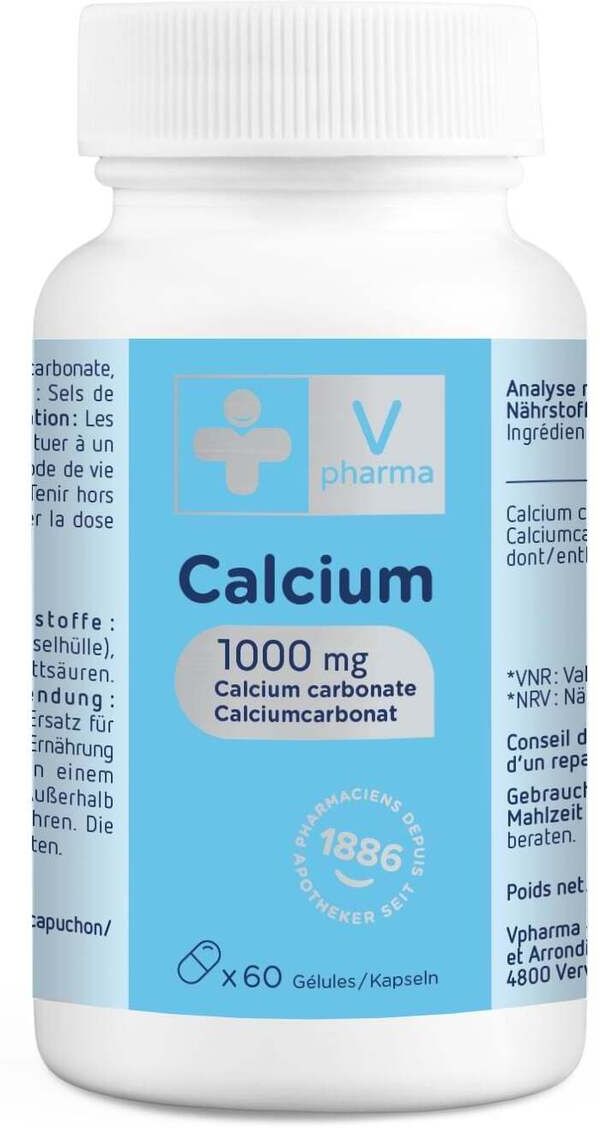
Products related to Calcium:



-
Why is there no calcium in calcium tablets?
Calcium tablets do contain calcium as the main active ingredient. The name "calcium tablets" refers to the fact that these tablets are a supplement specifically designed to provide additional calcium to the body. The purpose of these tablets is to help individuals meet their daily calcium requirements, especially for those who may not be getting enough calcium through their diet alone. **
-
What is the difference between calcium carbonate and calcium hydrogencarbonate?
Calcium carbonate is a chemical compound with the formula CaCO3, while calcium hydrogencarbonate is a chemical compound with the formula Ca(HCO3)2. The main difference between the two is their chemical composition. Calcium carbonate is a basic compound, while calcium hydrogencarbonate is an acidic compound. Additionally, calcium hydrogencarbonate is formed when carbon dioxide dissolves in water containing calcium carbonate. **
-
What is the difference between calcium carbonate and calcium bicarbonate?
The main difference between calcium carbonate and calcium bicarbonate lies in their chemical composition. Calcium carbonate (CaCO3) is a common form of calcium found in rocks, shells, and pearls. On the other hand, calcium bicarbonate (Ca(HCO3)2) is a type of calcium salt that forms when carbon dioxide is dissolved in water containing calcium ions. Calcium bicarbonate is more soluble in water compared to calcium carbonate, making it a more readily available source of calcium for plants and animals. **
-
What are necklaces and bracelets?
Necklaces and bracelets are types of jewelry that are worn around the neck and wrist, respectively. They are typically made of various materials such as metals, gemstones, beads, or leather. Necklaces are designed to adorn the neck and can vary in length and style, while bracelets are worn around the wrist and come in different sizes and designs to complement various outfits. Both necklaces and bracelets are popular accessories that can add a touch of elegance and style to any ensemble. **


How many calcium atoms are contained in one gram of calcium?
One gram of calcium contains approximately 0.024 moles of calcium atoms. Since one mole of any substance contains 6.022 x 10^23 atoms (Avogadro's number), one gram of calcium contains approximately 1.45 x 10^22 calcium atoms. **
How does calcium oxide react with water to form calcium hydroxide?
When calcium oxide (CaO) is added to water, it undergoes a vigorous exothermic reaction, releasing a large amount of heat. The CaO reacts with the water to form calcium hydroxide (Ca(OH)2). This reaction is highly exothermic and produces a lot of heat, which can cause the water to boil. The resulting calcium hydroxide is a strong base and is often used in various industrial and chemical processes. **
Top-Angebote
Products related to Calcium:
-
Would you as men wear rings, bracelets, and necklaces?
As an AI, I do not have personal preferences or the ability to wear jewelry. However, whether or not a man chooses to wear rings, bracelets, and necklaces is a personal choice. Some men enjoy accessorizing with jewelry as a form of self-expression, while others may prefer a more minimalist style. Ultimately, it is important for individuals to wear what makes them feel comfortable and confident. **
-
How is calcium oxide and calcium hydroxide formed by heating calcium carbonate?
When calcium carbonate is heated, it undergoes thermal decomposition to form calcium oxide and carbon dioxide. The chemical equation for this reaction is: CaCO3 (s) → CaO (s) + CO2 (g). The calcium oxide formed is a white solid, while the carbon dioxide is a gas that is released into the atmosphere. When water is added to the calcium oxide, it undergoes a chemical reaction to form calcium hydroxide: CaO (s) + H2O (l) → Ca(OH)2 (aq). Calcium hydroxide is a white, powdery substance that is commonly used in construction and as a pH regulator in various industries. **
-
Why is there no calcium in calcium tablets?
Calcium tablets do contain calcium as the main active ingredient. The name "calcium tablets" refers to the fact that these tablets are a supplement specifically designed to provide additional calcium to the body. The purpose of these tablets is to help individuals meet their daily calcium requirements, especially for those who may not be getting enough calcium through their diet alone. **
-
What is the difference between calcium carbonate and calcium hydrogencarbonate?
Calcium carbonate is a chemical compound with the formula CaCO3, while calcium hydrogencarbonate is a chemical compound with the formula Ca(HCO3)2. The main difference between the two is their chemical composition. Calcium carbonate is a basic compound, while calcium hydrogencarbonate is an acidic compound. Additionally, calcium hydrogencarbonate is formed when carbon dioxide dissolves in water containing calcium carbonate. **
Similar search terms for Calcium
-
What is the difference between calcium carbonate and calcium bicarbonate?
The main difference between calcium carbonate and calcium bicarbonate lies in their chemical composition. Calcium carbonate (CaCO3) is a common form of calcium found in rocks, shells, and pearls. On the other hand, calcium bicarbonate (Ca(HCO3)2) is a type of calcium salt that forms when carbon dioxide is dissolved in water containing calcium ions. Calcium bicarbonate is more soluble in water compared to calcium carbonate, making it a more readily available source of calcium for plants and animals. **
-
What are necklaces and bracelets?
Necklaces and bracelets are types of jewelry that are worn around the neck and wrist, respectively. They are typically made of various materials such as metals, gemstones, beads, or leather. Necklaces are designed to adorn the neck and can vary in length and style, while bracelets are worn around the wrist and come in different sizes and designs to complement various outfits. Both necklaces and bracelets are popular accessories that can add a touch of elegance and style to any ensemble. **
-
How many calcium atoms are contained in one gram of calcium?
One gram of calcium contains approximately 0.024 moles of calcium atoms. Since one mole of any substance contains 6.022 x 10^23 atoms (Avogadro's number), one gram of calcium contains approximately 1.45 x 10^22 calcium atoms. **
-
How does calcium oxide react with water to form calcium hydroxide?
When calcium oxide (CaO) is added to water, it undergoes a vigorous exothermic reaction, releasing a large amount of heat. The CaO reacts with the water to form calcium hydroxide (Ca(OH)2). This reaction is highly exothermic and produces a lot of heat, which can cause the water to boil. The resulting calcium hydroxide is a strong base and is often used in various industrial and chemical processes. **
* All prices are inclusive of VAT and, if applicable, plus shipping costs. The offer information is based on the details provided by the respective shop and is updated through automated processes. Real-time updates do not occur, so deviations can occur in individual cases. ** Note: Parts of this content were created by AI.