Buy tresor-juwelen.be ?
We are moving the project
tresor-juwelen.be .
Are you interested in purchasing the domain
tresor-juwelen.be ?
domain@kv-gmbh.de · 0541-91531010
Buy tresor-juwelen.be ?
Would you as men wear rings, bracelets, and necklaces?
As an AI, I do not have personal preferences or the ability to wear jewelry. However, whether or not a man chooses to wear rings, bracelets, and necklaces is a personal choice. Some men enjoy accessorizing with jewelry as a form of self-expression, while others may prefer a more minimalist style. Ultimately, it is important for individuals to wear what makes them feel comfortable and confident. **
Do non-Maori wear Maori necklaces?
Yes, non-Maori individuals can wear Maori necklaces, also known as hei tiki or pounamu. These necklaces are often seen as beautiful pieces of art and can be appreciated and worn by people of all cultures. However, it is important for non-Maori individuals to wear these necklaces with respect and understanding of their cultural significance to the Maori people. It is also important to purchase these necklaces from reputable sources to ensure they are made and sold in a culturally appropriate manner. **

Similar search terms for Non-proportional
Top-Angebote
Products related to Non-proportional:
-
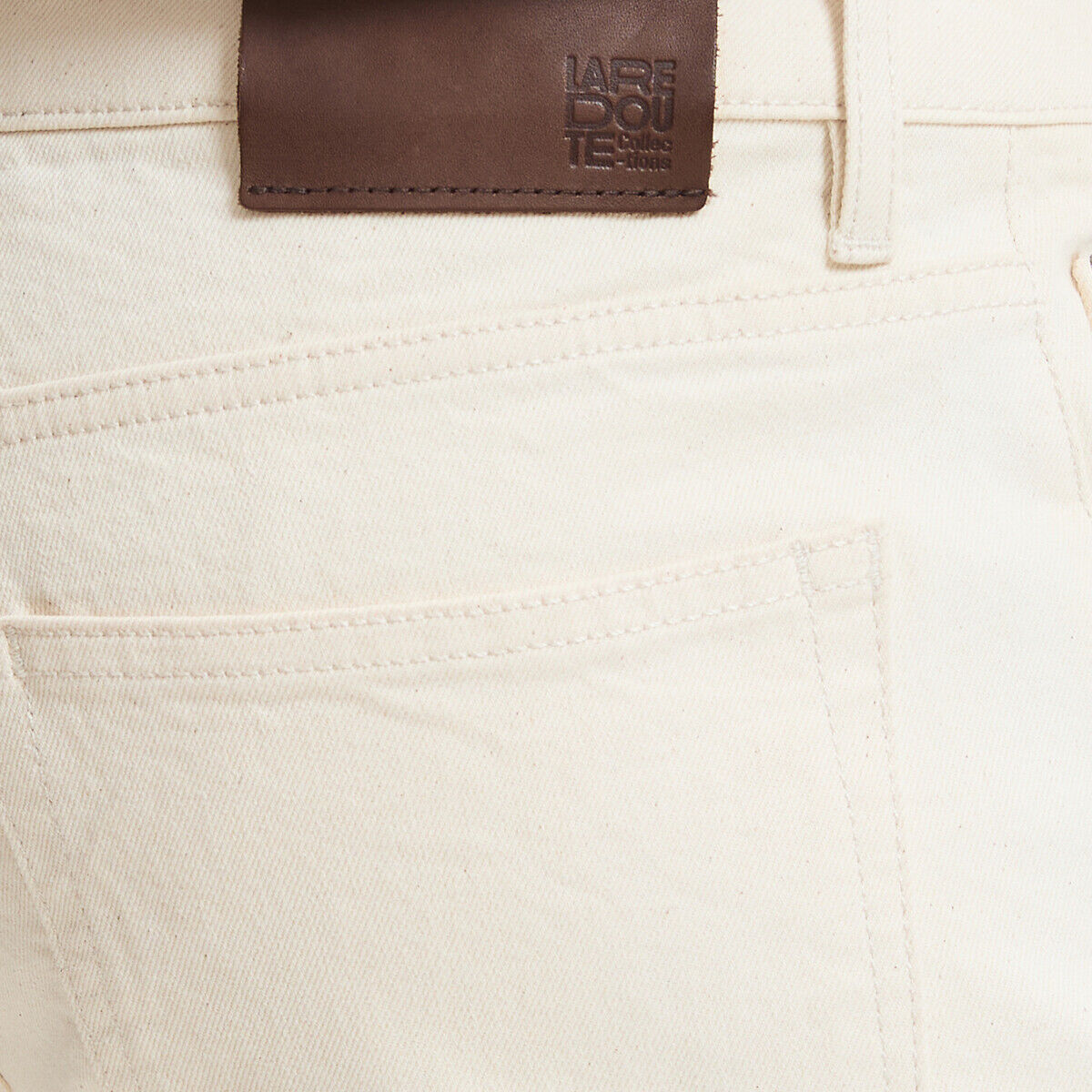
LA REDOUTE COLLECTIONS Jean non teint régularDétails produit • Regular, droit • Taille standard • Coupe 5 poches • Ceinture à passants boutonnée Mesures du produit en taille 40/M • Longueur de l’entrejambe : 81 cm • Largeur du bas : 19,5 cm Composition et Entretien • 98% coton, 2% élasthanne • Température de lavage 40° cycle délicat • Température de repassage moyenne / blanchiment interdit • Séchage en tambour faible • Pas de nettoyage à sec • COTON ISSU DE L'AGRICULTURE BIOLOGIQUE. L’agriculture biologique exclut tous produits chimiques, pesticides, insecticides et OGM. Une production dont l’impact sur la biodiversité est réduit. • DÉLAVAGE ÉCONOME EN EAU. Ce délavage permet de réduire la consommation d’eau utilisée par rapport à un délavage classique.64,99 €*Shipping: 3,99 €Secure redirect to the provider
-
ADIDAS SPORTSWEAR Ensemble en molleton non grattéDétails produit • Veste zippée à capuche • Taille : standard • Pantalon • Taille élastiquée Composition et Entretien • 52% coton, 48% polyester • Pour l'entretien, merci de vous référer aux indications figurant sur l'étiquette du produit65,00 €*Shipping: 3,99 €Secure redirect to the provider
-
CONVERSE Sweat à capuche en molleton non grattéDétails produit • A capuche • Col rond • Manches longues • Longueur : standard • Logo devant • Molleton léger Composition et Entretien • 56% coton, 44% polyester • Pour l'entretien, merci de vous référer aux indications figurant sur l'étiquette du produit38,00 €*Shipping: 3,99 €Secure redirect to the provider


-
How can one recognize proportional and inverse proportional relationships?
Proportional relationships can be recognized when two quantities increase or decrease at the same rate. This means that when one quantity doubles, the other quantity also doubles. Inverse proportional relationships, on the other hand, can be recognized when one quantity increases while the other decreases at a constant rate, or vice versa. This means that when one quantity doubles, the other quantity is halved. One can recognize these relationships by plotting the data on a graph and observing if the points form a straight line through the origin for proportional relationships, or if the points form a curve for inverse proportional relationships. **
-
What is the difference between proportional and inverse proportional?
Proportional and inverse proportional relationships are two types of relationships between two variables. In a proportional relationship, as one variable increases, the other variable also increases at a constant rate. This means that the ratio between the two variables remains the same. In an inverse proportional relationship, as one variable increases, the other variable decreases at a constant rate. This means that the product of the two variables remains constant. **
-
What is the difference between proportional relationships and inverse proportional relationships?
Proportional relationships are those in which the two variables increase or decrease at a constant rate. In other words, when one variable doubles, the other variable also doubles. In contrast, inverse proportional relationships are those in which one variable increases as the other decreases, and vice versa. In an inverse proportional relationship, the product of the two variables remains constant. In other words, when one variable doubles, the other variable is halved. **
-
What are proportional relationships?
Proportional relationships are relationships between two quantities where they change in a consistent manner. This means that as one quantity increases or decreases, the other quantity also increases or decreases in a predictable way. In a proportional relationship, the ratio between the two quantities remains constant. This can be represented by a straight line when graphed. **

Which of the relationships is inversely proportional and which is directly proportional?
The relationship between the distance traveled and the time taken is inversely proportional, as the faster you travel, the less time it takes to reach a destination. On the other hand, the relationship between the force applied and the acceleration produced is directly proportional, as increasing the force applied will result in a corresponding increase in acceleration. **
Which of the assignments is inversely proportional and which is directly proportional?
The assignment of distance traveled and time taken is inversely proportional, as the distance traveled decreases as the time taken increases. On the other hand, the assignment of force and acceleration is directly proportional, as the force increases, the acceleration also increases. **
Top-Angebote
Products related to Non-proportional:
-
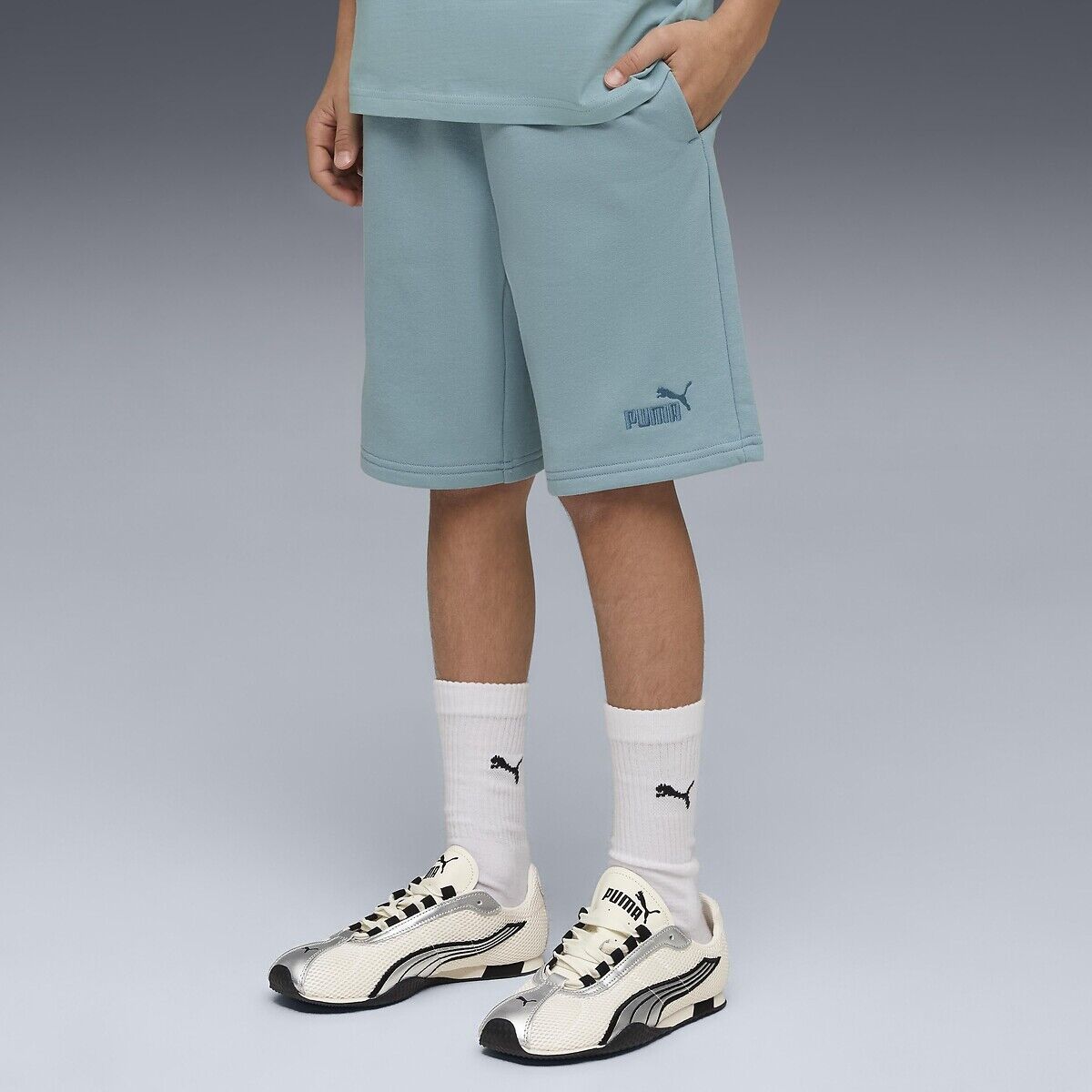
PUMA Short en molleton non grattéDétails produit • Taille : standard • Taille élastiquée Composition et Entretien • 42% coton, 32% polyester, 26% polycoton • Pour l'entretien, merci de vous référer aux indications figurant sur l'étiquette du produit23,00 €*Shipping: 3,99 €Secure redirect to the provider
-
LA REDOUTE COLLECTIONS Jean non teint régularDétails produit • Regular, droit • Taille standard • Coupe 5 poches • Ceinture à passants boutonnée Mesures du produit en taille 40/M • Longueur de l’entrejambe : 81 cm • Largeur du bas : 19,5 cm Composition et Entretien • 98% coton, 2% élasthanne • Température de lavage 40° cycle délicat • Température de repassage moyenne / blanchiment interdit • Séchage en tambour faible • Pas de nettoyage à sec • COTON ISSU DE L'AGRICULTURE BIOLOGIQUE. L’agriculture biologique exclut tous produits chimiques, pesticides, insecticides et OGM. Une production dont l’impact sur la biodiversité est réduit. • DÉLAVAGE ÉCONOME EN EAU. Ce délavage permet de réduire la consommation d’eau utilisée par rapport à un délavage classique.64,99 €*Shipping: 3,99 €Secure redirect to the provider
-
Would you as men wear rings, bracelets, and necklaces?
As an AI, I do not have personal preferences or the ability to wear jewelry. However, whether or not a man chooses to wear rings, bracelets, and necklaces is a personal choice. Some men enjoy accessorizing with jewelry as a form of self-expression, while others may prefer a more minimalist style. Ultimately, it is important for individuals to wear what makes them feel comfortable and confident. **
-
Do non-Maori wear Maori necklaces?
Yes, non-Maori individuals can wear Maori necklaces, also known as hei tiki or pounamu. These necklaces are often seen as beautiful pieces of art and can be appreciated and worn by people of all cultures. However, it is important for non-Maori individuals to wear these necklaces with respect and understanding of their cultural significance to the Maori people. It is also important to purchase these necklaces from reputable sources to ensure they are made and sold in a culturally appropriate manner. **
-
How can one recognize proportional and inverse proportional relationships?
Proportional relationships can be recognized when two quantities increase or decrease at the same rate. This means that when one quantity doubles, the other quantity also doubles. Inverse proportional relationships, on the other hand, can be recognized when one quantity increases while the other decreases at a constant rate, or vice versa. This means that when one quantity doubles, the other quantity is halved. One can recognize these relationships by plotting the data on a graph and observing if the points form a straight line through the origin for proportional relationships, or if the points form a curve for inverse proportional relationships. **
-
What is the difference between proportional and inverse proportional?
Proportional and inverse proportional relationships are two types of relationships between two variables. In a proportional relationship, as one variable increases, the other variable also increases at a constant rate. This means that the ratio between the two variables remains the same. In an inverse proportional relationship, as one variable increases, the other variable decreases at a constant rate. This means that the product of the two variables remains constant. **
Similar search terms for Non-proportional
-
ADIDAS SPORTSWEAR Ensemble en molleton non grattéDétails produit • Veste zippée à capuche • Taille : standard • Pantalon • Taille élastiquée Composition et Entretien • 52% coton, 48% polyester • Pour l'entretien, merci de vous référer aux indications figurant sur l'étiquette du produit65,00 €*Shipping: 3,99 €Secure redirect to the provider
-
CONVERSE Sweat à capuche en molleton non grattéDétails produit • A capuche • Col rond • Manches longues • Longueur : standard • Logo devant • Molleton léger Composition et Entretien • 56% coton, 44% polyester • Pour l'entretien, merci de vous référer aux indications figurant sur l'étiquette du produit38,00 €*Shipping: 3,99 €Secure redirect to the provider
-
RealRock 7'' / 17cm Non Realistic Dildo Suction Cup - TurquoiseLa matière jelly capte la lumière turquoise. L’effet est hypnotique. Le regard s’y attarde, les doigts aussi.Une transparence qui intrigue ✨Le 7'' / 17cm Non Realistic Dildo Suction Cup - Turquoise de RealRock séduit par son aspect cristallin et sa texture souple. Sa surface lisse glisse facilement20,95 €*Shipping: 3,90 €Secure redirect to the provider
-
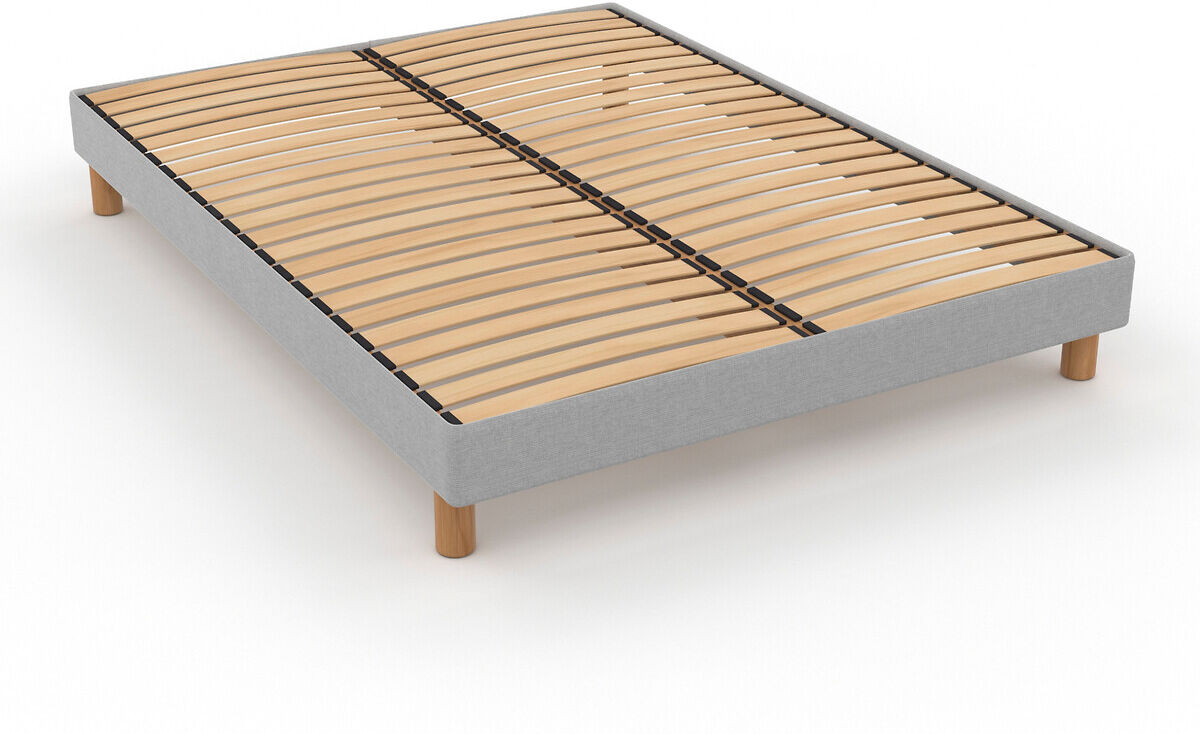
LA REDOUTE INTERIEURS Sommier déco non recouvert 22 lattes souplesIdéal pour les personnes ayant le dos sensible, la suspension du sommier tapissier lattes nues assouplit le confort de votre couchage.Un sommier fabriqué en France et signé La Redoute Intérieurs, expert et créateur de literie. • Type de sommier : tapissier à lattes nues • Fermeté : médium • Le + : bonne aération pour le matelas Bien choisir sa literie ? Consultez notre guide au bas de cette fiche produit Description • Cadre en pin massif finition tapissier • 22 lattes bois multiplis de bouleau en 190 cm de long (2 x 22 à partir de 120 cm de large) • Coutil 70% polyester 30% coton sans traitement (absence de substance active) • Pieds inclus • Chaque sommier a son matelas assorti. Le couple parfait pour un confort maximum. Retrouvez-le sur le site. Qualité • Garantie 5 ans. • 365 nuits pour tester votre literie La Redoute Intérieurs. • Conjuguant confort et soutien, la literie La Redoute Intérieurs propose une gamme adaptée à chaque dormeur et déclinée en 3 technologies. Belles nuits en perspective. Dimensions • Hauteur : 15 cm • FABRIQUÉ EN FRANCE. • FABRICATION À LA DEMANDE. En ne produisant que l’article commandé, les ressources sont préservées. Pas de surproduction, pas de matières premières utilisées inutilement. • BOIS ISSU DE FORÊTS GÉRÉES DURABLEMENT. Le bois certifié PEFC est issu de forêts gérées durablement et de sources contrôlées. PEFC contribue à assurer la pérennité et le renouvellement par régénération naturelle ou par plantation en préservant des arbres d’avenir et en favorisant la diversité des essences.279,00 €*Shipping: 9,99 €Secure redirect to the provider
-
What is the difference between proportional relationships and inverse proportional relationships?
Proportional relationships are those in which the two variables increase or decrease at a constant rate. In other words, when one variable doubles, the other variable also doubles. In contrast, inverse proportional relationships are those in which one variable increases as the other decreases, and vice versa. In an inverse proportional relationship, the product of the two variables remains constant. In other words, when one variable doubles, the other variable is halved. **
-
What are proportional relationships?
Proportional relationships are relationships between two quantities where they change in a consistent manner. This means that as one quantity increases or decreases, the other quantity also increases or decreases in a predictable way. In a proportional relationship, the ratio between the two quantities remains constant. This can be represented by a straight line when graphed. **
-
Which of the relationships is inversely proportional and which is directly proportional?
The relationship between the distance traveled and the time taken is inversely proportional, as the faster you travel, the less time it takes to reach a destination. On the other hand, the relationship between the force applied and the acceleration produced is directly proportional, as increasing the force applied will result in a corresponding increase in acceleration. **
-
Which of the assignments is inversely proportional and which is directly proportional?
The assignment of distance traveled and time taken is inversely proportional, as the distance traveled decreases as the time taken increases. On the other hand, the assignment of force and acceleration is directly proportional, as the force increases, the acceleration also increases. **
* All prices are inclusive of VAT and, if applicable, plus shipping costs. The offer information is based on the details provided by the respective shop and is updated through automated processes. Real-time updates do not occur, so deviations can occur in individual cases. ** Note: Parts of this content were created by AI.